
Surfing in Sumatra
Sumatra, the sixth largest island in the world, is a surf destination that combines adventure, wild nature, and world-class waves. Unlike Bali or Lombok, Sumatra remains largely untouched by mass tourism, preserving an authenticity that captivates those seeking a purer and more natural experience. Endless beaches of golden sand, tropical jungles full of life, vibrant traditional cultures, and a constant sense of exploration define this destination. For surfers, Sumatra offers the chance to surf legendary waves in postcard settings, with little or no crowds, surrounded by imposing nature. In addition to the famous Mentawai Islands and Nias, the west coast of Sumatra and its archipelagos offer hidden gems, ideal for surfers of all levels who wish to discover the true essence of Indonesia. Sumatra is one of the largest islands in Indonesia and a true paradise for surfers looking for adventure and authenticity
Sumatra surf overview
Sumatra is Indonesia's wild western frontier — the sixth-largest island on earth and arguably the country's deepest, most varied surf zone. Where Bali trades on crowds and nightlife, Sumatra deals in space, jungle backdrops and waves that still feel earned. The swell window here is enormous: the same Indian Ocean groundswells that light up the rest of the archipelago hit Sumatra's exposed western flank first, raw and unfiltered.
This is really several destinations in one. Offshore lie the legendary Mentawai Islands and Nias, plus quieter gems like the Telos, the Banyaks, Simeulue and Sumatra's own mainland points around Krui in Lampung. You'll find everything from forgiving beachbreaks and mellow reef peelers to heaving, board-snapping barrels that draw the world's best.
It suits the surfer who wants substance over scene — intermediates ready to step up, advanced chargers chasing perfect reef, and adventurers happy to travel for emptier line-ups and a stronger dose of real Indonesia.
Surf info for Sumatra
Consistency is Sumatra's headline act. From roughly April to October the region picks up swell after swell, and even the shoulder months produce rideable waves. Most of the quality breaks are reef — fast, hollow and unforgiving — though mainland Lampung (Krui/Ujung Bocur, Mandiri) and parts of Simeulue offer softer, more beginner-friendly options.
The crowd reality varies wildly. Mainland Krui and accessible Nias spots can get busy in peak season; the Mentawais are managed largely through boat charters and surf camps, so line-ups stay smaller but you're paying for access. The further-flung Telos, Banyaks and Simeulue still deliver waves to yourself on the right day.
Where you base yourself depends on budget and mission:
- Mentawais: liveaboard charter or island surf camp
- Nias / Lagundri Bay: cheap land-based losmen
- Krui (Lampung): the affordable, road-trip mainland option
Bring a quiver — a step-up and a spare board are smart given the reef and remoteness.
Surf spots in Sumatra
 Intermediate
 Ujung Bocur / Karang Nyimbor
Intermediate Krui Left
 Advanced
 Krui Right
 Beginner
 Mandiri Beach
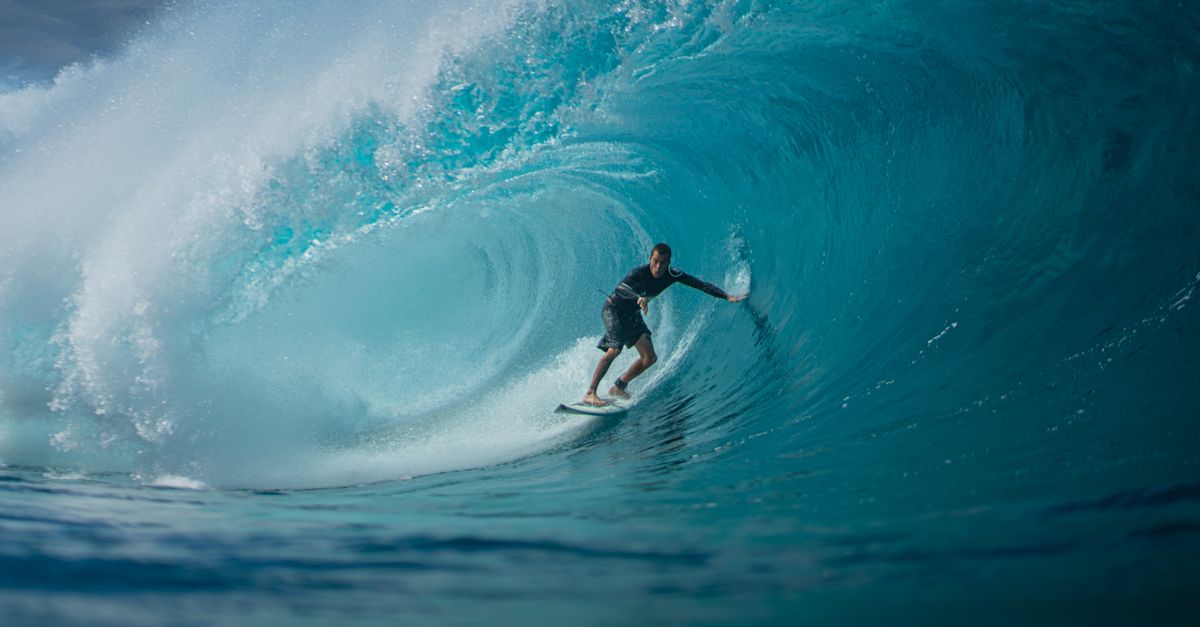 Advanced
 Way Jambu / Sumatran Pipeline
 Advanced
 Jimmy's
 Intermediate
 Jenny's Right
Intermediate Honey Smacks
 Intermediate
 The Peak
 Intermediate
 Banana Island
 Advanced
 Enggano Island
 Intermediate
 Bengkulu Beach Breaks
 Beginner
 Aceh - Lampuuk
Intermediate Aceh - Lhoknga
 Intermediate
 Mentawai-facing Mainland Reefs
 Intermediate
 Natal
Intermediate Tapaktuan
Intermediate Banyak Islands
Compare Sumatra surf spots
Level, wave type, best season, crowd and tide at a glance — find the break that fits your ability and trip dates.
| Spot | Level | Wave type | Best season | Crowd | Tide |
|---|---|---|---|---|---|
| Ujung Bocur / Karang Nyimbor | Intermediate | Point break | May–October | Moderate | All tides |
| Krui Left | Intermediate | Reef break | May–October | Moderate | All tides |
| Krui Right | Advanced | Reef break | May–October | Moderate | All tides |
| Mandiri Beach | Beginner | Beach break | May–October | Moderate | All tides |
| Way Jambu / Sumatran Pipeline | Advanced | Reef break | May–October | Moderate | All tides |
| Jimmy's | Advanced | Reef break | May–October | Moderate | All tides |
| Jenny's Right | Intermediate | Reef break | May–October | Moderate | All tides |
| Honey Smacks | Intermediate | Reef break | May–October | Moderate | All tides |
| The Peak | Intermediate | Reef break | May–October | Moderate | All tides |
| Banana Island | Intermediate | Reef break | May–October | Moderate | All tides |
| Enggano Island | Advanced | Reef break | May–October | Moderate | All tides |
| Bengkulu Beach Breaks | Intermediate | Beach break | May–October | Moderate | All tides |
| Aceh - Lampuuk | Beginner | Beach break | May–October | Moderate | All tides |
| Aceh - Lhoknga | Intermediate | Reef break | May–October | Moderate | All tides |
| Mentawai-facing Mainland Reefs | Intermediate | Reef break | May–October | Moderate | All tides |
| Natal | Intermediate | Reef break | May–October | Moderate | All tides |
| Tapaktuan | Intermediate | Reef break | May–October | Moderate | All tides |
| Banyak Islands | Intermediate | Reef break | May–October | Moderate | All tides |
Getting to & around Sumatra
✈️ How to get there
Most surf trips funnel through Padang, the launch point for the Mentawais, Telos and Banyaks. Fly into Padang (Minangkabau Airport, PDG) via Jakarta — and Jakarta connects to Bali and international hubs like Singapore and Kuala Lumpur.
From Padang, the Mentawais are reached by fast ferry (around 3–4 hours) or slow overnight ferry to Siberut/Sipura/North Pagai, or directly by surf-charter boat. For Nias, fly to Gunungsitoli (GNS) via Medan, then drive south to Lagundri Bay (3–4 hours).
For mainland Lampung/Krui, fly into Bandar Lampung (Radin Inten, TKG) from Jakarta, then a 5–6 hour road transfer over the hills to the coast. Simeulue is reached by flight or ferry from Aceh.
🛵 Getting around
On the Sumatran mainland and on Nias, a scooter is the cheap, flexible standard — expect potholed roads, livestock and long, scenic distances between zones. Around Krui the coastal road links a string of spots over many kilometres, so a bike (or a hired car with driver for groups and boards) earns its keep.
In the Mentawais and other offshore archipelagos, the boat is your road. Surf camps run dinghies and speedboats to nearby breaks daily, while charters move you between island groups as the swell dictates. Inter-island ferries connect the bigger hubs but run on loose, weather-dependent schedules.
Roads can be rough and signage thin — bring offline maps, ride cautiously, and factor in generous travel buffers everywhere.
Climate & best seasons in Sumatra
Sumatra straddles the equator, so it's hot and humid year-round with water warm enough for boardshorts (a rashguard or 1mm top is plenty).
The prime surf season runs April to October — the dry season delivers the most consistent Indian Ocean groundswell and generally cleaner conditions. The trade-wind pattern keeps mornings and evenings glassy on many setups, with sea breezes building through the day.
The wet season, roughly November to March, brings more rain, humidity and onshore spells, but waves still arrive and crowds thin out dramatically — a fair trade for flexible surfers. Note that equatorial Sumatra doesn't have the razor-sharp dry/wet split of islands further south, so squalls can roll through any month.
Culture & local life
Sumatra is religiously and ethnically diverse. West Sumatra is heartland of the matrilineal, devoutly Muslim Minangkabau, while Aceh in the north follows conservative Islamic law — dress and behave modestly, especially off the beach and during Ramadan. Nias and parts of the highlands hold strong indigenous and Christian traditions, including Nias's famous stone-jumping heritage.
Bahasa Indonesia is the common language; a few polite words go a long way, and English is patchy outside surf hubs. Padang cuisine is world-famous — rich rendang, gulai and sambals served nasi-padang style.
Be a good guest: cover up away from the line-up, ask before photographing people, respect prayer times, and remember many remote communities see relatively few visitors — a low-key, respectful presence keeps these places welcoming.
Practical tips for surfers & travellers
- Carry cash. ATMs exist in Padang, Medan and bigger towns but are scarce-to-nonexistent on the islands — bring rupiah and small notes.
- Connectivity is patchy; buy a Telkomsel SIM in a city for the best rural coverage, and expect little to no signal on remote charters.
- Health: malaria and dengue exist offshore — pack repellent, consider prophylaxis, and bring a serious reef-cut kit (antiseptic, Betadine, dressings).
- Travel insurance with surf/evacuation cover is essential given the remoteness.
- Pack a quiver and ding-repair gear; replacement boards are rare and pricey.
- Respect local line-ups and the pecking order, especially on busier Nias and Krui peaks.
- Book Mentawai charters/camps well ahead for peak season; mainland Krui can be done budget and on the fly.
Surf camps & retreats
Stay at a surf camp near Sumatra
All-inclusive surf camps, coaching weeks and retreats — meals, lessons and accommodation sorted. Compare 1,500+ verified camps with reviews and instant booking.
- ✓ Free cancellation options
- ✓ Best price guarantee
- ✓ All levels, beginner to pro
We may earn a commission from bookings made through this link, at no extra cost to you.